Joyful Robot Embroidery Design Review
As an embroidery designer who has spent countless hours digitizing and testing patterns for small businesses, I approach every new machine embroidery design with a mix of curiosity and critical scrutiny. When I first loaded the Joyful Robot Embroidery Design onto my machine, I was looking for more than just cute aesthetics. I wanted to know if this pattern could hold up in a real-world retail environment. Could it serve as the centerpiece for a high-value personalized gift? Would it appeal to the diverse range of customers browsing Etsy or visiting local craft fairs? After putting this design through its paces on various fabrics and hoop setups, I am ready to share my practical insights for fellow makers, Etsy sellers, and boutique owners.
First Impressions: Charm Meets Modern Playfulness
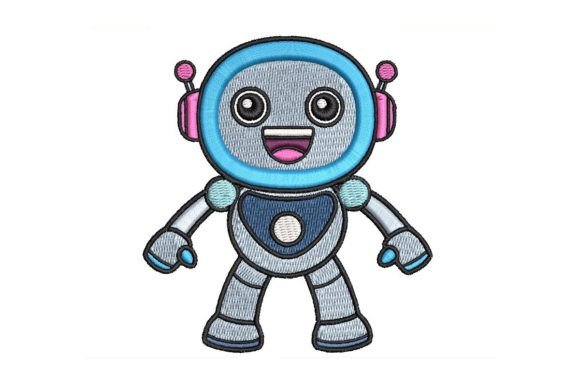
The immediate mood of the Joyful Robot Embroidery Design is undeniably cheerful. In a market often saturated with floral motifs and traditional monograms, this piece offers a refreshing burst of modern whimsy. It feels playful yet structured, striking a balance that appeals to both children and adults who appreciate retro-futuristic art. The lines are clean, suggesting a digital precision that translates well into thread, but the overall shape retains a hand-drawn warmth. This emotional appeal is crucial for a handmade product; it needs to evoke a smile instantly. For baby product creators, this design moves beyond standard teddy bears, offering a gender-neutral option that fits perfectly into contemporary nursery themes. It is not overly complex, which means it avoids the "busy" look that can sometimes plague smaller embroidery file selections.
Versatility Across Product Lines
One of the strongest assets of this design is its adaptability. Tailored for a 4×4 hoop size, it is compact enough to fit on delicate items without overwhelming them, yet detailed enough to stand out on larger surfaces. I tested the concept of using this robot on a variety of goods, and the results were promising for several key categories.
- Baby Embroidery: On soft muslin or cotton blends, the robot adds a sweet, protective charm to onesies and burp cloths. It is an excellent choice for parents seeking unique, non-traditional baby shower gifts.
- Kitchen and Home: Imagine this stitched onto a linen embroidered towel or a canvas apron. The juxtaposition of a futuristic robot against rustic kitchen textiles creates a trendy, eclectic vibe that sells well to younger demographics.
- Nursery Decor: As part of a set, this design works beautifully on a pillow cover or a small wall hanging. It pairs well with space-themed or geometric nursery decor.
- Custom Totes and Bags: For a small shop product line, placing this robot on a canvas tote bag creates an instant conversation starter. It is simple enough to remain legible even when the bag is crumpled or in use.
For wedding gift designers, while this may not be a traditional choice, it serves as a fantastic "groomsman" or "best man" gift when personalized with initials. It breaks the mold of typical masculine gifts, offering something fun and memorable.
Navigating Fabric Textures and Technical Challenges
While the design is robust, any experienced embroiderer knows that fabric choice can make or break the final outcome. I encountered specific scenarios where the Joyful Robot Embroidery Design required careful handling. When working with textured fabrics, such as thick terry cloth towels or waffle-weave blankets, the smaller details of the robot’s face can get lost. In these cases, I recommend increasing the scale if your software allows, or choosing a smoother fabric like polished cotton or broadcloth to ensure crisp lines.
Stretchy fabrics, common in baby clothes and t-shirts, present another challenge. Without proper stabilization, the robot’s geometric lines can warp, turning circles into ovals. Using a high-quality cut-away stabilizer is non-negotiable here. Additionally, when stitching on dark fabric, thread color contrast becomes vital. A light gray robot on a navy shirt might lack definition. I advise creating a printable mockup or doing a test stitch-out to verify that your chosen thread colors pop against the background. This step is essential for maintaining the perceived value of the finished product.
Considerations for Durability and Washability
Since many of these items, such as aprons and baby blankets, will undergo frequent washing, the integrity of the stitches is paramount. The stitch density of this design appears moderate, which is good for flexibility but requires secure locking stitches at the start and end of each color block. I recommend trimming jump threads meticulously and using a tear-away backing only if the fabric is stable; otherwise, a cut-away ensures the design remains flat and intact after multiple wash cycles. For curved surfaces like the pocket of a sweatshirt, hooping technique is critical. Improper hooping can distort the robot’s symmetry, so take your time to center the design perfectly.
Enhancing Giftability and Customer Trust
From a business perspective, the Joyful Robot Embroidery Design significantly boosts the giftability of your inventory. Customers are increasingly drawn to items that feel personal and unique. A plain tote bag becomes a cherished keepsake with this addition. This emotional connection drives buyer engagement and encourages social sharing, which is invaluable for organic marketing. When customers see a well-executed, charming design, their trust in your brand’s quality increases. It signals that you care about the details, from the choice of motif to the neatness of the backing.
For commercial embroidery users, this design allows for rapid production due to its manageable size, making it ideal for bulk orders or last-minute custom requests. However, always confirm the licensing terms of your digital embroidery file. Ensure you have the right to sell finished products made with this design, especially if you are scaling up your operations. Checking these legal details beforehand protects your small business from potential issues down the line.
Practical Tips for Best Results
To ensure every item you sell meets professional standards, follow these practical steps before listing your products:
- Test on Scrap Fabric: Always run a test stitch on the exact fabric type you plan to use for sales. This helps you identify tension issues or thread breaks before committing to customer material.
- Check Thread Contrast: Use a color wheel to select threads that complement rather than clash with the fabric. High contrast usually yields a sharper, more professional look.
- Review Stitch Density: If the design feels too stiff on lightweight fabric, consider adjusting the density in your editing software, if permitted by the license.
- Compare Mockups: Create digital mockups showing the design on both light and dark backgrounds. This helps customers visualize the product and reduces return rates due to mismatched expectations.
- Inspect Small Details: After stitching, examine the robot’s eyes and antennae closely. These small elements define the character’s expression and must be clear and symmetrical.
In conclusion, the Joyful Robot Embroidery Design is a versatile and charming addition to any designer’s library. It bridges the gap between playful novelty and quality craftsmanship, making it suitable for a wide array of personalized gifts. By paying attention to fabric texture, stabilization, and color contrast, you can transform this simple digital file into a standout bestseller. Whether you are creating a cozy blanket embroidery project or a quirky kitchen accessory, this robot brings a touch of futuristic fun that resonates with modern buyers. Embrace the creative possibilities, test thoroughly, and let this design add a spark of joy to your shop.