Review: Diver Digital Embroidery Design for Real Projects
As a designer who has spent years digitizing and stitching thousands of patterns, I approach every new machine embroidery design with a mix of curiosity and caution. We have all been there: you see a cute graphic online, download the digital embroidery file, and hope it translates well to fabric. Recently, I tested the Diver Digital Embroidery Design to see if it holds up under the needle. This is not just about aesthetics; it is about how a design performs in the real world of craft business and handmade production.
First Impressions and Visual Personality
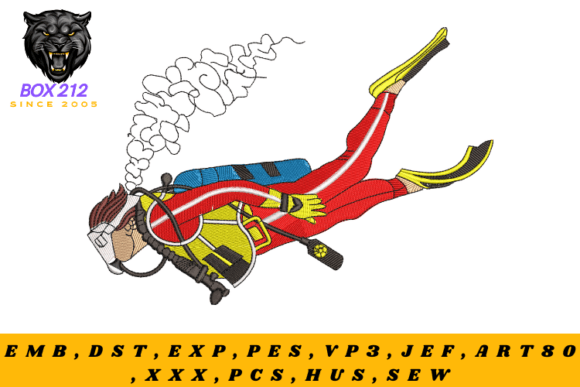
The first thing that strikes you about the Diver Digital Embroidery Design is its quirky, unexpected charm. It does not try to be overly realistic or stiff. Instead, it offers a fun, stylized representation of a diver that feels modern and playful. For those of us in the Hobbies sector, finding designs that break away from traditional florals or generic monograms is a breath of fresh air. The layout is balanced, with a clear focal point that draws the eye immediately.
The mood this design creates is lighthearted and adventurous. It suggests movement and exploration, which makes it an excellent candidate for themed projects. When I loaded the embroidery file into my software, the color separation looked logical. The use of satin stitch for outlines and fill stitch for larger areas seemed appropriate for maintaining detail without creating excessive bulk. However, visual appeal on a screen is only half the battle. The true test is always in the hoop.
Real-World Application: The Custom Tote Bag Test
To evaluate this design properly, I needed a practical scenario. I chose to create a custom tote bag design for a local beach shop client. They wanted something that appealed to families and summer tourists but still looked professional. The Diver Digital Embroidery Design fit this brief perfectly. I selected a heavy canvas fabric, which is ideal for supporting the weight of the stitches.
During the stitching process, I paid close attention to the stitch density. One common issue with detailed characters is that they can become too dense, leading to puckering or thread breaks. Fortunately, this design appeared to have been optimized for standard home machines. The transition between the diver’s gear and the background elements was smooth. I used a medium-weight cut-away stabilizer to ensure the fabric remained taut, especially around the finer details of the diving mask and fins.
The result was a crisp, clean image that stood out against the natural canvas. The thread colors I chose—bright orange for the tank and deep blue for the suit—provided excellent contrast. This kind of clarity is crucial for any finished product intended for sale. Customers need to recognize the subject matter instantly, even from a distance. For an Etsy seller or small shop owner, this level of recognition drives engagement and sales.
Versatility Across Product Lines
Beyond tote bags, where else does this design shine? I envision it working beautifully on sweatshirt embroidery projects. A crewneck sweatshirt with this diver on the chest or sleeve would make a fantastic personalized gift for a scuba enthusiast or a child who loves the ocean. The playful nature of the design aligns well with casual apparel.
It also translates well to embroidered patch creation. If you are making iron-on or velcro-backed patches, the defined edges of the diver help the shape hold its integrity when cut. For baby embroidery, such as on a hooded towel or a nursery wall hanging, the design is gentle enough not to be overwhelming. However, you must scale it appropriately. What looks great on a large pillow cover might be too intricate for a tiny baby onesie.
For holiday embroidery or summer-themed collections, this asset is a strong contender. It adds a niche appeal that generic summer designs lack. Whether you are creating custom apparel for a dive club or adding a whimsical touch to kitchen towels, the versatility of this design assets package is evident.
Technical Considerations and Fabric Choices
While the design is robust, it is not without its limitations. As a reviewer, I must highlight where caution is needed. First, consider the hoop size. Ensure your machine can accommodate the dimensions of the design without requiring excessive re-hooping, which can lead to alignment issues. If you are working with a smaller hoop, you may need to split the design, which is not ideal for a single character illustration.
Fabric texture plays a significant role in the final outcome. On textured fabrics like terry cloth or thick fleece, some of the finer details might get lost. In these cases, using a topping stabilizer can help the needle penetrate smoothly and keep the stitches on the surface. Conversely, on thin or stretchy fabrics, the density of the fill stitches could cause distortion. Always test on scrap fabric first. This is non-negotiable for professional results.
Dark fabrics present another challenge. If you are stitching on black or navy material, you must plan your underlay and thread choices carefully. The Diver Digital Embroidery Design relies on color contrast to define its shapes. Without proper planning, the details may blend into the background. I recommend creating a printable mockup in black and white to check the value structure before you start stitching.
Commercial Viability and Brand Consistency
For those running a small shop product line or selling on platforms like Etsy, consistency is key. This design helps build a cohesive brand identity if you specialize in oceanic or adventure themes. It adds value to your handmade product offerings by providing a unique visual element that competitors may not have.
However, always verify the licensing terms. Before using this commercial embroidery asset for mass production or digital resale, confirm that your license allows for finished goods sales. Most designers permit selling physical items, but restrictions often apply to sharing the actual applique design or digital file. Protecting your business means respecting intellectual property rights.
Additionally, consider how the design affects customer trust. A sloppy stitch-out can damage your reputation. By testing the running stitch paths and ensuring your tension is correct, you deliver a high-quality item that encourages repeat business. The professionalism of your execution reflects directly on your brand.
Final Verdict for Makers and Designers
The Diver Digital Embroidery Design is a solid addition to any designer’s library. It balances fun aesthetics with technical feasibility. It is not just a cute graphic; it is a functional tool for creating engaging embroidery project outcomes. Whether you are a hobbyist looking to spice up your Hobbies routine or a seasoned pro managing a busy order queue, this design offers reliable performance.
Remember to check the specific file formats provided to ensure compatibility with your machine. Common formats include PES, DST, and JEF, but this varies by seller. Also, inspect the stitch density settings in your software. You may want to adjust them slightly depending on your specific thread type and fabric choice.
In conclusion, if you are looking for a way to add a quirky, unexpected touch to your portfolio, this diver design delivers. It works well for personalized gift items, boutique branding, and seasonal collections. Just remember to respect the materials, test thoroughly, and stitch with confidence. Your customers will appreciate the care and creativity that goes into every finished product.