Reviewing Black History Machine Embroidery for Craft Fairs
As an embroidery designer who has spent countless weekends behind a booth table, I know that the difference between a glance and a sale often comes down to visual impact and emotional resonance. When I pulled up the Black History Machine Embroidery design on my screen this week, my immediate goal was not just to admire the art, but to evaluate its potential as a high-performing craft fair product. This is a review grounded in the reality of running a small shop, where every stitch must count toward profitability and brand identity.
First Impressions: Bold, Meaningful, and Market-Ready
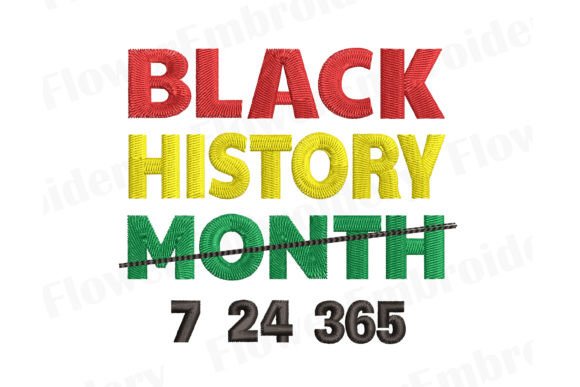
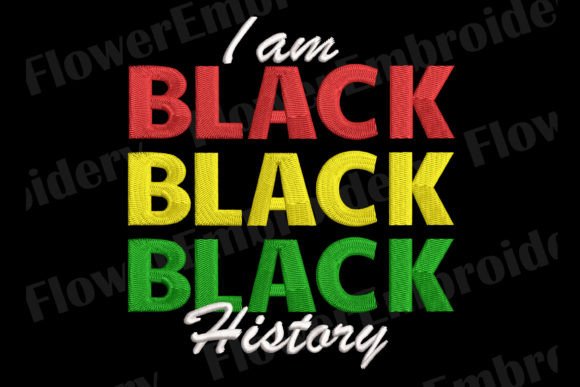
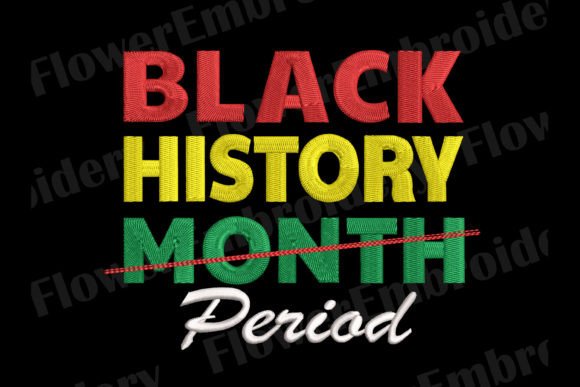
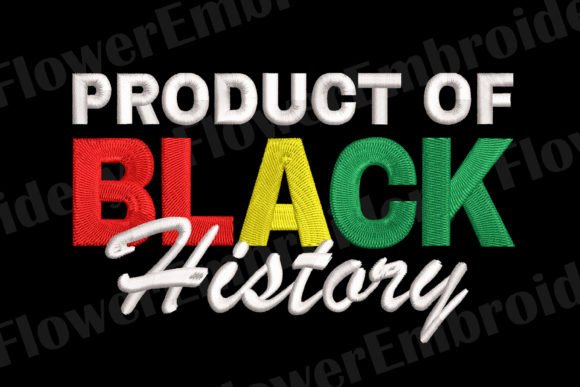
The first thing that strikes me about this machine embroidery design is its inherent strength. It does not try to be subtle. In a crowded marketplace, subtlety can sometimes get lost. This design feels bold, modern, and deeply respectful. It carries a weight that aligns perfectly with the Awareness category, making it ideal for customers looking for more than just decoration—they are looking for connection. Whether you are creating a statement piece for a Juneteenth celebration or a meaningful gift for someone special, this design offers endless possibilities for storytelling through thread.
From a designer’s perspective, the aesthetic leans towards a premium, contemporary look. It avoids the cluttered feel of overly complex vintage styles, opting instead for clarity. This is crucial for a handmade product because clarity translates well from a distance. When a customer walks past your booth, they need to understand the message within seconds. This design achieves that immediate recognition, which is the first step in driving buyer engagement.
Product Application: Where This Design Shines
Not every design works on every substrate. Part of my review process involves mentally placing the artwork on various blanks to see where it performs best. Here is how I see this Black History Machine Embroidery file performing across different product lines:
- Tote Bags and Market Bags: This is arguably the strongest application. A canvas tote provides a large, flat surface that allows the design to breathe. As a tote bag design, it becomes a walking billboard for the wearer’s values. The sturdy fabric supports the stitch weight without puckering, provided you use the correct stabilizer.
- Aprons and Tea Towels: For kitchen goods, placement is key. An apron embroidery placement on the bib creates a focal point that draws the eye upward. For tea towel embroidery, ensure the design is scaled correctly so it doesn’t overwhelm the narrow width of the towel. These items make excellent impulse buys at craft fairs.
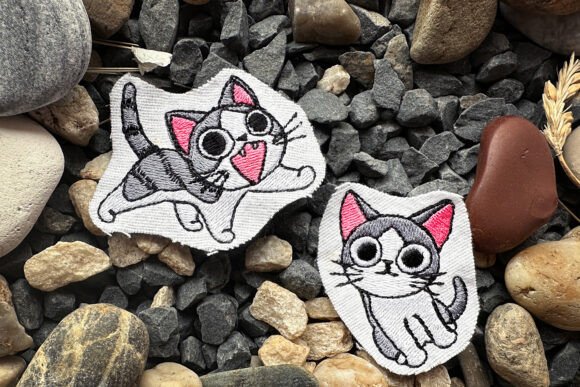
- Embroidered Patches: If the design scales down well, turning it into an embroidered patch is a smart move. Patches are low-commitment purchases for customers and allow you to utilize scrap fabric. However, you must check the detail level; if the design has tiny elements, they may merge when stitched at a small size.
- Caps and Headwear: Embroidering on curved surfaces requires caution. If you choose to put this on a cap, ensure the design width fits within the front panel without distorting. Curved surfaces can pull stitches, so lower stitch density is preferable here to prevent stiffness.
Production Practicality for the Small Shop Owner
For Etsy sellers and boutique makers, time is money. A design that looks great but takes three hours to stitch is not always viable for a high-volume event. When evaluating this digital embroidery file, consider the balance between visual appeal and production speed. Does the design rely on heavy satin stitches that might snag, or does it use efficient fill stitches? While I do not have the exact stitch count for this specific file, the visual complexity suggests it is manageable for standard home machines.
Batch production is where this design can truly shine. Because the theme is evergreen yet particularly potent during specific cultural months, you can pre-produce a line of finished products without fear of them feeling dated next year. This repeatability is essential for maintaining a consistent inventory for your small shop product lineup.
Technical Considerations and Careful Use
Before you commit to stitching fifty units, there are technical factors to address. Every embroidery file behaves differently depending on the medium. Here are my critical notes for production:
- Fabric Texture and Color: This design likely relies on strong contrast. Test it on dark fabrics first. If the design uses light threads on black cotton, ensure your thread quality is high to prevent breakage. On textured towels, the details might get lost, so a simpler version or larger scale may be necessary.
- Stabilizer Selection: Do not skimp on stabilizer. For tote bags, a cut-away stabilizer is usually best to support the weight of the design over time. For lighter fabrics like tea towels, a tear-away might suffice, but test for puckering first.
- Scaling and Clarity: If you plan to use this as a small accent on a pocket or pouch, zoom in on your software. Check for tiny lettering or fine lines that may not stitch out cleanly at reduced sizes. If details merge, the design loses its impact.
- Hoop Size Compatibility: Confirm the maximum dimensions of the design against your machine’s largest hoop. You want to maximize the design size for visibility without needing to re-hoop, which introduces alignment errors.
Enhancing Visual Appeal and Brand Consistency
Incorporating Black History Machine Embroidery into your lineup does more than add a product; it strengthens your brand’s voice. It shows that your business is aware, engaged, and willing to celebrate important narratives. This builds trust with your audience. When customers see that you treat these designs with respect and quality, they are more likely to engage with your other products.
Photography plays a massive role in online sales. This design, with its bold lines and likely vibrant or stark color palette, photographs exceptionally well. Create a printable mockup or, better yet, stitch a real sample on a neutral background to capture natural light images. High-quality photos of the texture and thread sheen can significantly increase perceived value, allowing you to price your commercial embroidery items competitively while maintaining healthy margins.
Final Designer Notes: Test Before You Sell
My final advice to any creative entrepreneur considering this design is to run a rigorous test. Do not assume the design assets are perfect for every machine. Stitch it out on scrap fabric identical to your final product. Check the tension, inspect the back for messy bobbin work, and wash the sample to ensure durability. Verify the commercial licensing terms included with the digital embroidery file to ensure you are compliant when selling finished goods.
Ultimately, this design is a strong contender for your spring and summer craft fair lineup. It combines aesthetic appeal with cultural significance, offering a product that feels both personal and universal. By paying attention to fabric choice, stabilizer, and placement, you can turn this machine embroidery design into a standout bestseller that resonates with customers long after they leave your booth.