Review: Harmony in Threads Vegan Embroidery
As an embroidery designer who spends countless hours digitizing patterns and testing files on various machines, I approach every new download with a critical eye. We all know the frustration of purchasing a digital embroidery file that looks beautiful in the preview but turns into a tangled mess of thread breaks and puckering on actual fabric. Recently, I came across Harmony in Threads Vegan Embroidery on Creative Fabrica, and given the rising demand for eco-conscious and plant-based aesthetics in the handmade market, I decided to put it through its paces. This review is based on my experience evaluating this design for potential use in real-world commercial projects, from custom apparel to home decor.
First Impressions: A Serene Aesthetic for Modern Crafters
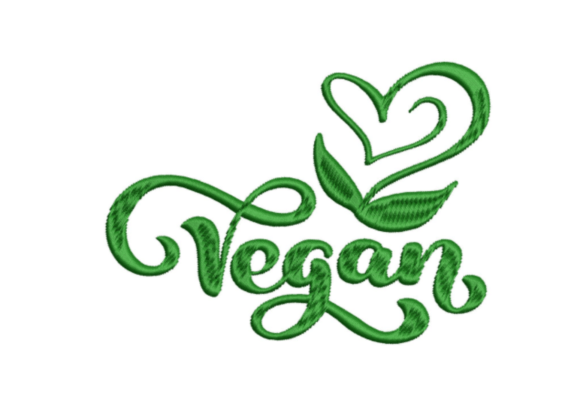
The first thing that strikes you about Harmony in Threads Vegan Embroidery is its visual mood. In a market saturated with bold, loud graphics, this design offers a breath of fresh air. It captures the essence of peaceful living, serving as a homage to the gentle vegan lifestyle through delicate motifs of leafy elements. For designers working in the Clothing and home goods sectors, this subtlety is a major selling point. The design does not scream for attention; rather, it invites a closer look, which is exactly what modern consumers are seeking in high-quality handmade products.
The detail level appears balanced for a decorative piece. It avoids the overly complex shading that often leads to excessive stitch counts, opting instead for a cleaner look that relies on shape and flow. This "less is more" approach is crucial for maintaining the integrity of the fabric, especially when working with lighter materials like cotton tote bags or linen kitchen towels. The stitching personality feels organic, mimicking the natural irregularity of leaves and vines, which adds a layer of authenticity to the final finished product.
Performance on Real-World Projects
When considering a new machine embroidery design, I always ask myself: where will this sell? Harmony in Threads Vegan Embroidery is versatile, but it shines brightest in specific applications. Here is how I envision it performing across different product categories:
- Tote Bag Design: This is perhaps the most natural fit. The leafy motifs complement canvas and cotton bags perfectly. A centered placement on a reusable grocery bag or a book tote creates an instant connection with eco-conscious buyers.
- Sweatshirt Embroidery: Placed on the left chest or as a larger back piece, this design adds a touch of sophistication to plain hoodies and crewnecks. It elevates basic custom apparel into boutique-worthy merchandise.
- Kitchen Towels and Aprons: For those selling in the culinary niche, this pattern works beautifully on waffle weave towels or cotton aprons. It suggests a love for plant-based cooking and mindful living.
- Nursery Decor and Baby Items: The gentle nature of the design makes it suitable for baby blankets or pillow covers, provided the scale is adjusted appropriately for smaller hoops.
For Etsy sellers and craft fair vendors, this design offers a cohesive look that can be part of a broader collection. It pairs well with other nature-inspired design assets, allowing you to create themed bundles that increase average order value.
Technical Considerations for Embroidery Success
While the aesthetic appeal is strong, the technical execution is where many designs fail. Based on the description of delicate leafy motifs, here are the practical factors you must consider before stitching your first unit.
Fabric and Stabilizer Selection
Because this design features delicate details, fabric choice is paramount. On stretchy fabrics like jersey knits for t-shirts, you must use a cut-away stabilizer to prevent distortion over time. For woven fabrics like canvas tote bags or denim, a tear-away stabilizer may suffice, but I always recommend testing first. The stitch density seems moderate, but if the leaves are filled with fill stitch patterns, heavy fabrics might pucker if the tension is not adjusted correctly. Always hoop your fabric tightly and consider using a topping stabilizer if you are embroidering on textured surfaces like terry cloth towels.
Hoop Size and Placement
One limitation to check is the hoop size. Delicate designs often require a smaller hoop to maintain precision, but if you plan to use this on large items like sweatshirts, ensure the design scales well without losing definition. If the design includes tiny lettering or fine veins in the leaves, these details may get lost if scaled down too much for a 4x4 inch hoop. Conversely, scaling up too much for a large back print might expose individual stitches, breaking the smooth visual flow. I advise checking the specific dimensions provided on the Creative Fabrica product page to ensure it fits your intended hoop.
Thread Colors and Contrast
The success of Harmony in Threads Vegan Embroidery relies heavily on your thread colors. Since the motif is leafy, varying shades of green can create depth. However, avoid using threads that are too similar in value, as the details may vanish from a distance. For dark fabrics, consider using a slightly lighter shade of green or even a cream color for contrast. Always run a test stitch-out on scrap fabric of the same type and color as your final product. This allows you to inspect small details after stitching and adjust tension or thread weights if necessary.
Enhancing Product Value and Brand Consistency
From a business perspective, using high-quality Creative Fabrica embroidery designs like this one can significantly impact buyer trust. Customers associate clean, well-executed embroidery with premium quality. When you present a personalized gift or a piece of commercial embroidery work that features crisp edges and no loose threads, you build a reputation for excellence.
This design also aids in product photography. The serene, natural elements photograph well in lifestyle settings—think wooden tables, plants, and natural light. These images perform well on social media, driving engagement and clicks to your shop. Furthermore, using a consistent aesthetic across your product line helps establish brand identity. If your shop focuses on sustainable living, Harmony in Threads Vegan Embroidery reinforces that message visually.
Final Verdict and Practical Advice
Is Harmony in Threads Vegan Embroidery worth downloading? For designers looking to expand their portfolio with nature-inspired, gentle motifs, yes. It fills a specific niche that appeals to the growing vegan and eco-friendly market. However, success depends on your technical preparation.
- Check File Details: Before purchasing, verify the available formats (PES, DST, JEF, etc.) to ensure compatibility with your machine.
- Review Licensing: Confirm the license terms on the Creative Fabrica product page. Most designs allow for commercial use of finished physical items, but it is essential to be certain before selling.
- Test Thoroughly: Never skip the test stitch. Check for thread breaks, nesting, and registration issues.
- Consider the End Use: If the item will be washed frequently, such as a kitchen towel or baby blanket, ensure your stabilizer and thread choices are durable.
In conclusion, this design offers a lovely blend of artistic sentiment and practical application. With careful attention to stabilizer choice, thread selection, and hoop placement, it can become a staple in your library of applique design and standard embroidery assets. It is a thoughtful addition for anyone creating meaningful, handmade goods that celebrate a peaceful, plant-based lifestyle.