Lobster Embroidery Designs: A Pro Review for Merch
As an embroidery designer who has spent years digitizing and testing files for commercial use, I approach every new machine embroidery design with a critical eye. It is not just about whether the image looks cute on a screen; it is about how it performs under the needle, how it holds up after fifty washes, and how it elevates a brand’s visual identity. Recently, I reviewed Lobster Embroidery Designs, a digital asset categorized under Wild Animals, intended for diverse applications ranging from home decor to branded apparel. For small business owners, Etsy sellers, and apparel decorators, understanding the practical viability of this file is crucial before adding it to your product line.
First Impressions: Visual Personality and Brand Fit
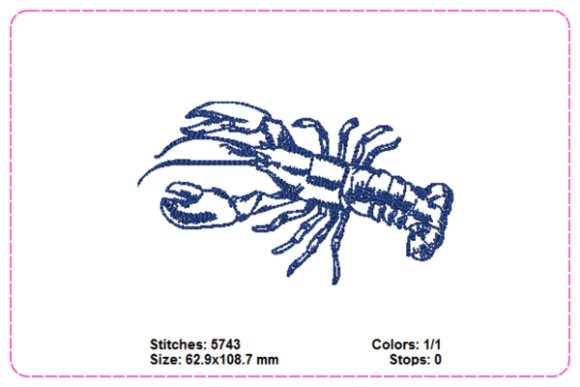
The immediate impression of Lobster Embroidery Designs is one of playful versatility. The description notes that it can be beautifully embroidered on any fabric, suggesting a design that is robust enough for various textile types. Visually, lobster motifs often straddle the line between rustic coastal charm and premium seafood branding. This specific design appears to lean into a colorful, friendly aesthetic, making it ideal for businesses that want to project approachability and creativity.
For a boutique coffee shop with a nautical theme, a local seafood market, or a handmade brand focusing on summer collections, this design offers a strong thematic anchor. It does not feel overly corporate or stiff; instead, it carries a handmade warmth that resonates with customers looking for authentic, crafted goods. However, for high-end luxury brands seeking minimalism, the colorful nature of the design might require careful colorway adjustments to maintain elegance.
Real-World Application for Small Business Merch
The true test of any digital embroidery file is its application in real-world scenarios. I evaluated how Lobster Embroidery Designs would perform across several common merchandise categories for small businesses.
- Embroidered Patches: This is perhaps the strongest use case. A lobster motif works exceptionally well as an iron-on or sew-on patch for denim jackets, canvas totes, and hats. The distinct shape of the lobster allows for clear recognition even at smaller sizes, provided the stitch density is managed correctly.
- Custom Apparel and Uniforms: For staff uniforms in hospitality or retail, placing this design on the chest pocket or sleeve adds a subtle brand accent. It transforms a standard work shirt into a piece of branded merchandise that employees are proud to wear.
- Apron Embroidery: In bakeries, florists, or craft studios, aprons are both functional tools and marketing assets. Embroidering this design on the bib of a heavy cotton apron creates a professional, cohesive look that signals attention to detail.
- Tote Bag Design: Canvas tote bags are staples for eco-conscious brands. The durability of embroidery makes it superior to printing for items that carry heavy loads. A lobster design here suggests a connection to coastal living or fresh, natural products.
- Cap Embroidery: Front-panel cap embroidery requires precision. The curved surface of a cap can distort complex designs, so the simplicity of the lobster silhouette is advantageous here, ensuring the logo remains legible from a distance.
Technical Considerations and Production Challenges
While the aesthetic appeal is strong, production realities must be addressed. The product description mentions suitability for pillows, towels, bags, and apparel. Each of these substrates presents unique challenges regarding fabric texture and stability.
Stitch Density and Fabric Choice: Towels and plush fabrics require higher lift or specialized backing to prevent the stitches from sinking into the pile. If you are using this design on terry cloth, ensure you use a cut-away stabilizer and potentially a topping to keep the embroidery floating above the loops. Conversely, on lightweight apparel fabrics, excessive stitch density can cause puckering. Always check the file’s density settings before running a full production batch.
Color Contrast and Thread Selection: Lobsters are naturally red, but brand colors vary. If your brand identity uses blue or green, you must test how the design translates in non-traditional thread colors. High contrast is essential for visibility. A dark red lobster on a navy shirt may blend in too much, reducing brand recognition. I recommend creating a printable mockup to visualize these combinations before stitching.
Size Limitations: When scaling down for small patches or left-chest logos, fine details can become lost. If the design includes intricate claws or antennae, verify that these elements do not turn into a tangled mess of thread at smaller dimensions. It is often wise to simplify or remove tiny details if the hoop size is restricted to under 3 inches.
Enhancing Brand Identity and Customer Trust
Incorporating Lobster Embroidery Designs into your product line is more than a decorative choice; it is a strategic branding decision. High-quality embroidery signals permanence and value. Unlike printed graphics that may crack or fade, embroidered logos convey a sense of heritage and quality craftsmanship.
For handmade product sellers on platforms like Etsy, offering embroidered items can justify a higher price point. Customers perceive embroidered goods as premium. When used consistently across design assets—from hang tags to packaging accents—the lobster motif becomes a recognizable symbol of your brand. This visual consistency builds trust and encourages repeat purchases.
Furthermore, using such a distinctive Wild Animals category design can help your brand stand out in a saturated market. It adds personality and narrative to your merchandise, inviting customers to engage with the story behind the brand, whether it is a love for the ocean, a commitment to sustainable seafood, or simply a playful summer vibe.
Practical Designer Notes for Implementation
Before launching this design in your commercial embroidery projects, follow these essential steps to ensure a flawless finished product:
- Test on Real Fabric: Never rely solely on screen simulations. Stitch out the design on the exact fabric you intend to sell. Check for puckering, thread breaks, and coverage.
- Verify Stabilizer Requirements: Match your stabilizer to the fabric weight. Use tear-away for stable woven fabrics and cut-away for knits or stretchy materials to maintain shape over time.
- Check Hoop Size Compatibility: Confirm that the design fits within your machine’s hoop capabilities without requiring excessive re-hooping, which can lead to misalignment.
- Review Commercial Licensing: The product description does not explicitly state license terms. Always confirm with the seller that the embroidery file includes commercial use rights before selling items made with it.
- Create Client Mockups: If you are doing custom work for clients, provide a digital mockup showing the lobster design on their specific garment color. This manages expectations and reduces revision requests.
- Assess Wash Durability: Wash and dry a test sample multiple times. Ensure the thread colors do not bleed and that the fabric does not distort around the embroidery area.
In conclusion, Lobster Embroidery Designs offers a vibrant, versatile option for small business merchandising. Its strength lies in its adaptability across various products, from caps to tote bags. By paying close attention to technical details like stitch density, stabilizer choice, and color contrast, you can leverage this design to create high-value, professional-grade embroidered products that enhance your brand identity and delight your customers.