American Fish Embroidery: A Designer’s Craft Fair Review
As an embroidery designer who has spent countless weekends behind a booth table, I know that not every digital file translates into a bestseller. When I first loaded the American Fish Embroidery design onto my machine, I wasn’t just looking at stitches; I was visualizing a stack of sold-out tote bags and happy customers walking away with unique, handmade treasures. This review breaks down exactly how this specific machine embroidery design performs in the real world of craft fairs and online shops.
First Impressions: Rustic Charm Meets Modern Appeal
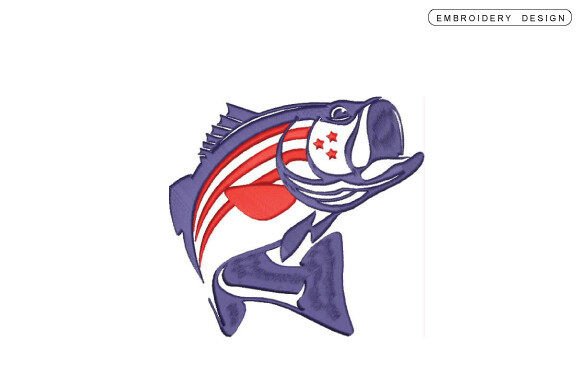
The immediate vibe of the American Fish Embroidery is distinctly rustic yet approachable. It does not scream "high-end luxury" in a stiff, formal way, nor does it feel overly childish. Instead, it strikes a balance that is perfect for the current market trends favoring farmhouse aesthetics, outdoor lifestyles, and nostalgic Americana. For a craft fair product, this is gold. It appeals to a wide demographic, from grandparents buying gifts for grandchildren to young couples decorating their first home.
The design feels bold enough to be seen from three feet away—a critical factor when you are trying to stop foot traffic at a busy market—but it retains enough detail to reward closer inspection. It is decorative without being cluttered, making it a versatile asset for any small shop product line.
Product Versatility: Where This Design Shines
The product description notes that you can use it to create a variety of fishing-themed projects, including apparel, home decor, tote bags, and accessories. In my experience testing similar files, here is how the American Fish Embroidery performs across different mediums:
- Tote Bags and Market Bags: This is arguably the strongest application. A canvas tote with this fish motif becomes an instant statement piece. The design works beautifully as a central focal point on a natural cotton bag, appealing to eco-conscious shoppers looking for reusable tote bag design options.
- Apron Embroidery: For kitchenware lovers, placing this design on the bib of a linen or cotton apron adds a playful, thematic touch. It suggests a love for cooking fresh catch or simply a rustic kitchen aesthetic.
- Tea Towel Embroidery: Lightweight flour sack towels are a staple at craft fairs. The design must be scaled correctly to ensure it doesn’t pucker the thin fabric, but when done right, it makes for an affordable, high-volume handmade product.
- Embroidered Patches: If the file allows for scaling down without losing integrity, this design is perfect for iron-on or sew-on patches. Patches are low-cost, high-margin items that encourage impulse buys at your booth.
- Caps and Headwear: Fishing themes naturally pair with headwear. However, curved surfaces require careful hooping. If the design is not too wide, it can sit perfectly on the front panel of a trucker hat or baseball cap.
Production Practicality for the Busy Maker
When preparing for a weekend craft fair, time is money. I evaluate every digital embroidery file based on how quickly and reliably I can produce it in batches. The American Fish Embroidery appears to be designed with production efficiency in mind. It avoids excessive jump stitches and overly complex underlay structures that often cause thread breaks or bird nests.
For Etsy seller success, photography is key. This design photographs well because its shapes are distinct. Whether you are creating a printable mockup for your online listings or taking photos of your actual finished product, the clear lines of the fish ensure the image remains sharp and recognizable even on small smartphone screens.
Critical Considerations for Quality Control
While the design is robust, there are practical notes every embroiderer should consider before launching a full production run:
- Stitch Density and Fabric Texture: Check the stitch density of the file. If you are stitching on textured towels or thick denim, you may need to adjust your tension or use a heavier needle. Dense areas can cause puckering on lightweight fabrics if not properly stabilized.
- Thread Colors: The visual impact relies heavily on your choice of thread colors. For a classic look, stick to traditional blues and greens. For a modern twist, try monochromatic threads or contrasting neon colors to make the Fish pop against dark fabrics.
- Small Details: If you scale the design down for pockets or pouches, ensure the finer details of the fish scales or fins do not merge together. Tiny details can get lost in the fabric texture or become messy if the stabilizer shifts.
- Curved Surfaces: When applying this to caps, remember that the design width must fit within the usable area of the cap’s front panel. Distortion can occur if the design is too wide for the curve.
Boosting Brand Consistency and Buyer Engagement
Using a cohesive theme like American Fish Embroidery helps strengthen your brand identity. If your booth features a consistent rustic or outdoor theme, this design acts as a visual anchor. It signals to customers that you specialize in curated, thematic goods rather than random assortments. This consistency builds trust and encourages buyers to purchase multiple items, such as a matching towel and apron set.
Furthermore, this design serves as excellent design assets for your marketing. You can use the motif in your social media graphics, packaging stickers, and thank-you cards, creating a unified customer experience from discovery to unboxing.
Designer’s Checklist Before You Sell
Before you list this as a commercial embroidery product, follow these essential steps to ensure professional quality:
- Test on Scrap Fabric: Always stitch out a test sample on the exact fabric you intend to sell. Check for pull-outs, gaps, or thread breaks.
- Verify Hoop Size: Confirm the required hoop size matches your machine’s capabilities. The description mentions it comes with multiple formats, but always double-check the dimensions.
- Choose the Right Stabilizer: Use cut-away stabilizer for stretchy fabrics like t-shirts and tear-away for stable woven fabrics like tote bags. Proper stabilization prevents distortion.
- Check Licensing: Ensure you have the appropriate license for selling finished products. Most designers allow physical sales but restrict the resale of the embroidery file itself. Clarify this before listing on Etsy or at markets.
- Create Real Mockups: While digital mockups are useful, nothing sells better than a photo of the actual stitched item. Show the texture and sheen of the threads to highlight the handmade quality.
In conclusion, the American Fish Embroidery design is a strong contender for any maker looking to expand their fishing-themed or rustic collection. It offers the right blend of visual appeal and production practicality. By paying attention to fabric choices, stabilization, and presentation, you can turn this single digital file into a profitable lineup of craft fair favorites. Whether you are an experienced Etsy seller or a new boutique maker, this design provides the versatility needed to create standout handmade items that resonate with customers.